
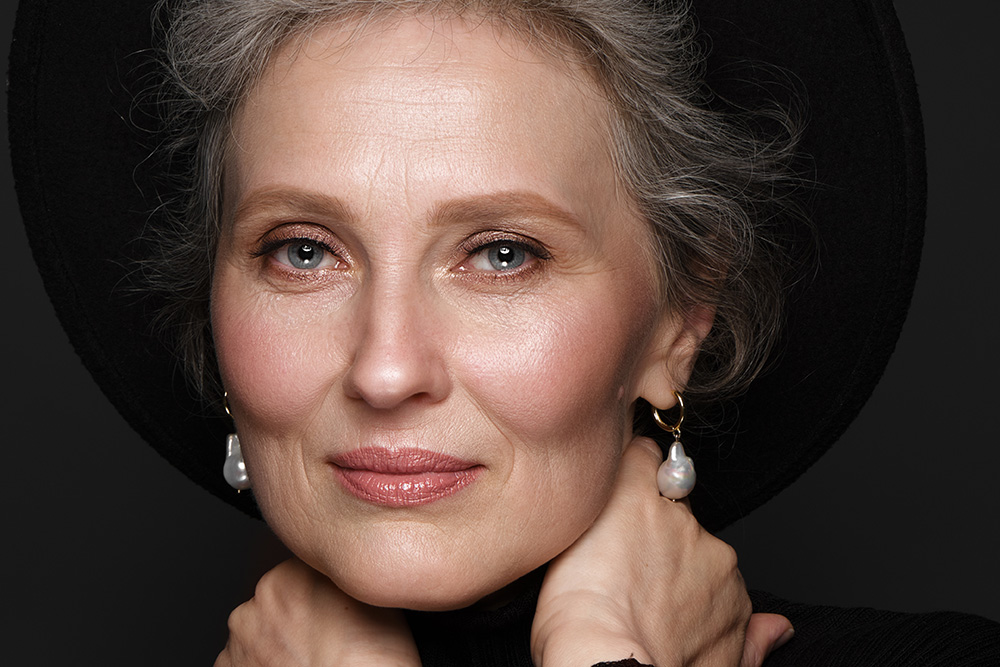
A facelift can be one of the most rewarding procedures for facial aging, but not every patient needs the same level of correction. Some patients have early jowling, mild skin laxity, and soft changes along the jawline. Others have more advanced aging in the lower face, neck, and deeper facial tissues.
6 Min Read:
This is where the difference between a mini facelift and a traditional facelift becomes important. Both mini and traditional facelifts involve removing excess skin to improve facial contours and reduce sagging, helping eliminate loose skin and create a more youthful appearance.
A mini facelift is often called a “rapid recovery” facelift because it is typically less extensive than a traditional facelift. The recovery process is usually shorter, more comfortable, and easier to manage for the right candidate. However, it is still surgery, and proper aftercare plays a major role in how beautifully you heal. While facelifts can rejuvenate the face, they do not change a person’s fundamental appearance or stop the natural aging process. The procedure may be performed under general or local anesthesia with sedation, depending on the extent of the surgery and the patient’s needs.
Table of Contents
- What Are Facelifts?
- Mini Facelift vs. Traditional Facelift Recovery
- Why Is Mini Facelift Surgery Called a “Rapid Recovery” Facelift?
- What Can I Expect During Mini Facelift Recovery?
- When Can I Expect to See My Complete Mini Facelift Results?
- Treatments That Can Help Support a Faster Recovery
- Which Facelift Recovery Is Right for Me?
What Are Facelifts?
Facelift surgery is one of the most popular plastic surgery procedures for those seeking to reverse visible signs of facial aging. Over time, factors like sun damage, genetics, and the natural aging process can lead to sagging skin, deep creases, and a loss of youthful facial contours. Facelift surgery is designed to restore a refreshed, more youthful appearance by tightening the skin and underlying structures, including the superficial musculoaponeurotic system (SMAS).
There are several facelift techniques available, each designed to address different degrees of aging and unique patient needs. For example, the deep plane facelift targets the deeper tissues beneath the SMAS, resulting in more natural-looking, longer-lasting results, especially in patients with significant sagging or deep creases. Facelift surgery can also be combined with other procedures, such as neck surgery or fat grafting, to address age-related changes in the neck and restore lost facial volume.
While facelift surgery can deliver dramatic rejuvenation, it’s important to be aware of potential risks and complications. These may include poor wound healing, deep vein thrombosis, scarring, and other issues related to the surgical procedure. Understanding these risks and discussing them with your surgeon is a crucial step in planning your treatment and ensuring a safe, satisfying outcome.
Mini Facelift vs. Traditional Facelift Recovery
A traditional facelift usually addresses more significant aging in the lower face, jawline, cheeks, and neck. Because it often involves more tissue repositioning and a larger surgical area, patients may experience greater swelling, bruising, and tightness, as well as longer downtime.
A mini facelift targets early signs of aging, especially around the lower face and jawline. Since the surgical approach is more limited, many patients find recovery easier to manage.
With a mini facelift, you may experience:
- Less swelling than a traditional facelift
- Less bruising for many patients
- Smaller or more limited incisions
- A shorter recovery timeline
- A quicker return to light daily activities
- A refreshed result without a dramatic “overdone” look
Swelling and bruising after facelift surgery can be minimized by using cold compresses as recommended by your surgeon.
That said, every patient heals differently. Your age, skin quality, health, surgical plan, and how closely you follow aftercare instructions can all affect your recovery. Most patients experience only mild pain after surgery, which is usually well-managed with medication. A drainage tube may be placed during surgery to prevent fluid buildup and is typically removed within one to two days.
Most patients recover within two to three weeks and can often return to work after about two weeks.
Why Is Mini Facelift Surgery Called a “Rapid Recovery” Facelift?
Mini facelift surgery is sometimes referred to as a “rapid recovery” facelift because the procedure is designed for patients who need less correction than a full facelift.
The goal is to address mild-to-moderate sagging in the lower face with a more focused surgical plan. Since the procedure is generally less invasive, the body often has less healing work to do afterward.
For many patients, this can mean a faster, smoother recovery.
A “rapid recovery” facelift does not mean there is no downtime. It means the recovery may be shorter than with more extensive facial surgery. You should still expect swelling, bruising, tightness, and some temporary tenderness after surgery.
The key is choosing the right procedure for your anatomy. A mini facelift can be a beautiful option for the right patient. Still, patients with more advanced facial and neck aging may benefit more from a traditional or deep-plane facelift.
What Can I Expect During Mini Facelift Recovery?
The first few days after a mini facelift are focused on rest, swelling control, and incision care. You may need to wear a supportive garment, keep your head elevated, and avoid bending, lifting, or strenuous activity.
Most patients notice the most swelling and tightness during the early recovery period. This should gradually improve as the tissues begin to settle.
During recovery, you should:
- Sleep on your back with your head elevated
- Take all medications as directed
- Keep your incisions clean as instructed
- Avoid alcohol, smoking, and nicotine
- Eat protein-rich foods to support healing
- Drink plenty of water
- Take short, gentle walks
- Avoid exercise until cleared by your surgeon
- Attend all follow-up appointments
Recovery is not the time to rush. Even though a mini facelift may involve less downtime, your body still needs time to heal properly.
When Can I Expect to See My Complete Mini Facelift Results?
You should see early improvements as the initial swelling and bruising fade. Many patients start to feel more comfortable with their appearance within a few weeks.
However, your complete mini facelift results take longer to develop fully.
As swelling continues to go down and the tissues settle, your jawline and lower face should look more refined. Incisions also continue to soften and fade over time.
Most patients see a strong preview of their results within the first several weeks, while the outcome continues to improve over the next few months. Patience is important. A natural-looking result develops as your face heals, relaxes, and settles into its new shape.
Treatments That Can Help Support a Faster Recovery
At 4Beauty by Dr. Constantino Mendieta, recovery is not treated as an afterthought. Supportive treatments may help reduce swelling, improve comfort, and encourage a smoother healing process.
Depending on your needs and healing stage, your care plan may include options such as lymphatic drainage massage, medical-grade skincare, light-based treatments, or other nonsurgical therapies to support skin quality and recovery.
These treatments should only be performed when your surgeon clears you. The goal is to help you heal well while protecting your surgical result.
Which Facelift Recovery Is Right for Me?
Mini facelift recovery may be easier than traditional facelift recovery, but the best procedure depends on your anatomy and goals.
The SMAS facelift targets a layer of facial tissue beneath the skin, achieving significant lifting and contouring with natural, long-lasting results. An extended SMAS facelift involves making an incision in the SMAS layer and elevating deeper tissues to achieve a higher, tighter position than a traditional SMAS facelift. A deep plane facelift repositions the layers of muscle and fat beneath the SMAS, providing a comprehensive and natural-looking lifting effect. The mid-facelift specifically targets the middle portion of the face, including the cheeks and the area around the nose and mouth, using incisions typically made in the hairline or inside the mouth, and can help smooth nasolabial folds. Muscle manipulation is a key part of facelift procedures, contributing to long-lasting and natural results. Incisions are often placed in natural creases or within the hair to help conceal scars.
A mini facelift may be right for patients with earlier signs of aging, mild jowling, and less skin laxity. A traditional facelift may be better for patients who need more significant lifting, deeper correction, or more improvement in the neck.
Facelift surgery carries risks such as infection, scarring, complications from anesthesia, hematoma (a collection of blood outside of blood vessels), and nerve injury, which can affect sensation or movement.
The right choice is not about choosing the fastest recovery. It is about choosing the procedure that gives you the safest, most natural, and most satisfying result.
Why Choose Dr. Mendieta for My Facelift?
No matter the facelift technique, the procedure requires experience, careful planning, and a deep understanding of your unique facial harmony. Board-certified Miami plastic surgeon Dr. Constantino Mendieta brings decades of comprehensive experience, compassionate patient care, and a holistic approach to aesthetic transformation.
Named “America’s Best Plastic Surgeon” by Newsweek magazine in 2022, Dr. Mendieta is internationally recognized by numerous plastic surgery organizations for his surgical innovations, especially as the pioneer of the modern Brazilian Butt Lift. His warm personality and detailed treatment create a supportive experience from consultation through recovery. This philosophy even goes beyond physical rejuvenation, as his focus on natural-looking, refined results will help facelift patients rediscover both outer beauty and inner confidence.
Choosing Dr. Mendieta for your facelift means choosing a provider who will blend advanced surgical techniques, modern technology, and patient-first care into every stage of your facelift.
Schedule Your Mini Facelift Consultation in Miami, FL
A mini facelift in Miami can help refresh the lower face and jawline with a shorter recovery process than a traditional facelift for the right candidate. At 4Beauty by Mendieta, our team provides personalized treatment planning, thoughtful aftercare, and supportive recovery options designed to help you heal comfortably and confidently.
To learn more about mini facelift surgery in Miami, Coral Gables, Coconut Grove, and the surrounding South Florida areas, complete our online contact form or call (305) 860-0717 to schedule your consultation.